Buy Amazon Returns Pallet: A Complete Guide to Liquidation Inventory
If you want to buy Amazon returns pallet inventory for resale, liquidation can provide an efficient way to source merchandise in bulk at competitive acquisition costs. Entrepreneurs, online sellers, discount stores, flea-market vendors, and established resellers can use liquidation inventory to build diverse product catalogs without purchasing every item individually.
Amazon-related liquidation inventory can include customer returns, Amazon overstock, shelf pulls, excess inventory, and other surplus merchandise. Depending on the source, a pallet may contain electronics, tools, toys, clothing, shoes, home goods, kitchen products, small appliances, and general merchandise.
However, buying liquidation inventory successfully requires more than finding a low advertised price. You need to understand product condition, manifests, shipping, resale demand, storage requirements, and the difference between individual pallets and larger truckloads.
This guide explains how to evaluate Amazon returns pallets, calculate your costs, find suitable suppliers, and build a practical resale strategy.
What Are Amazon Return Pallets?
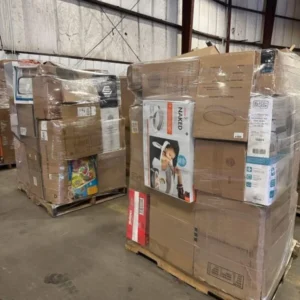
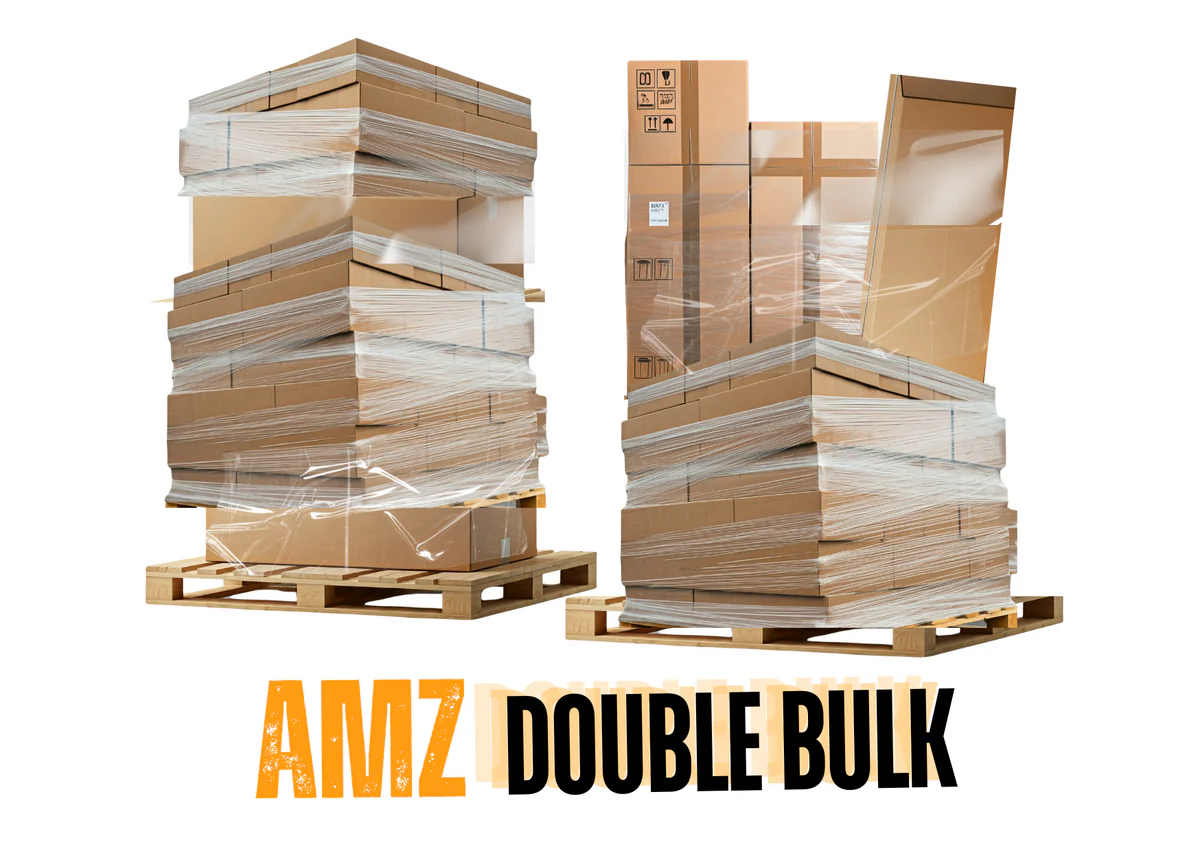
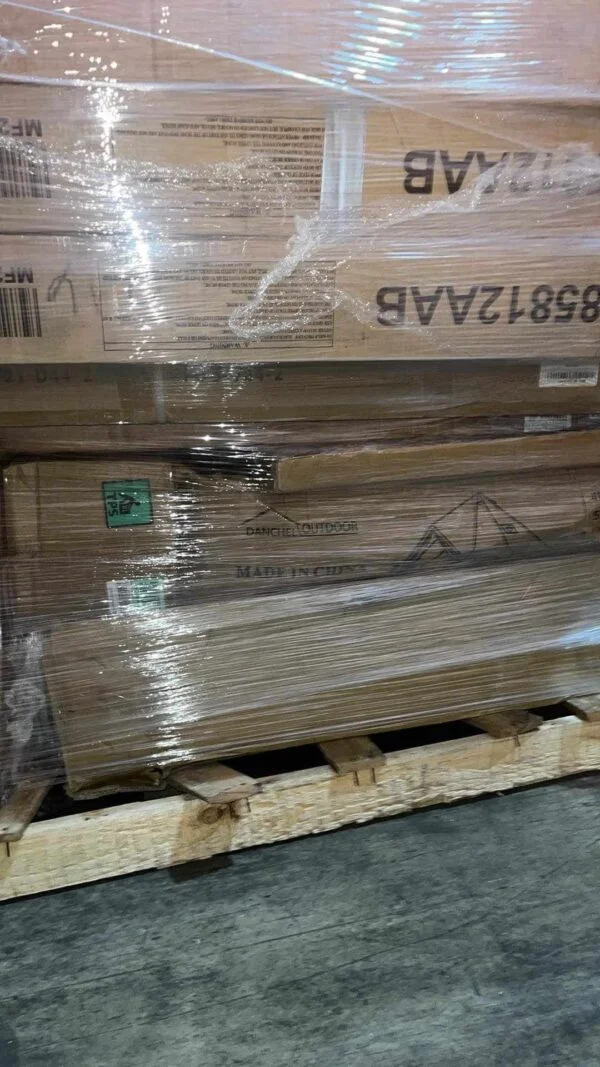
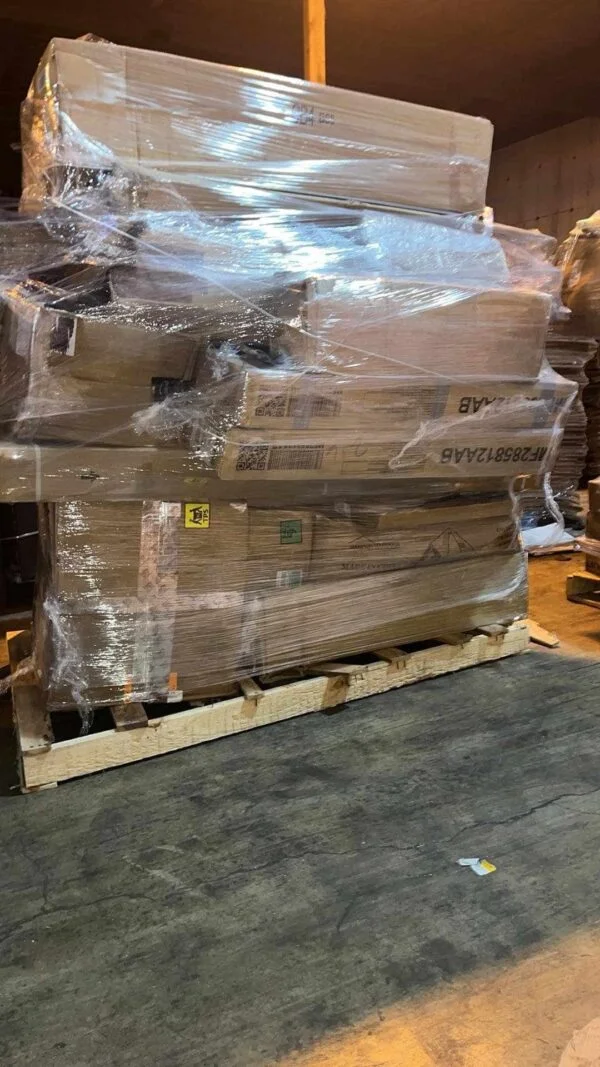
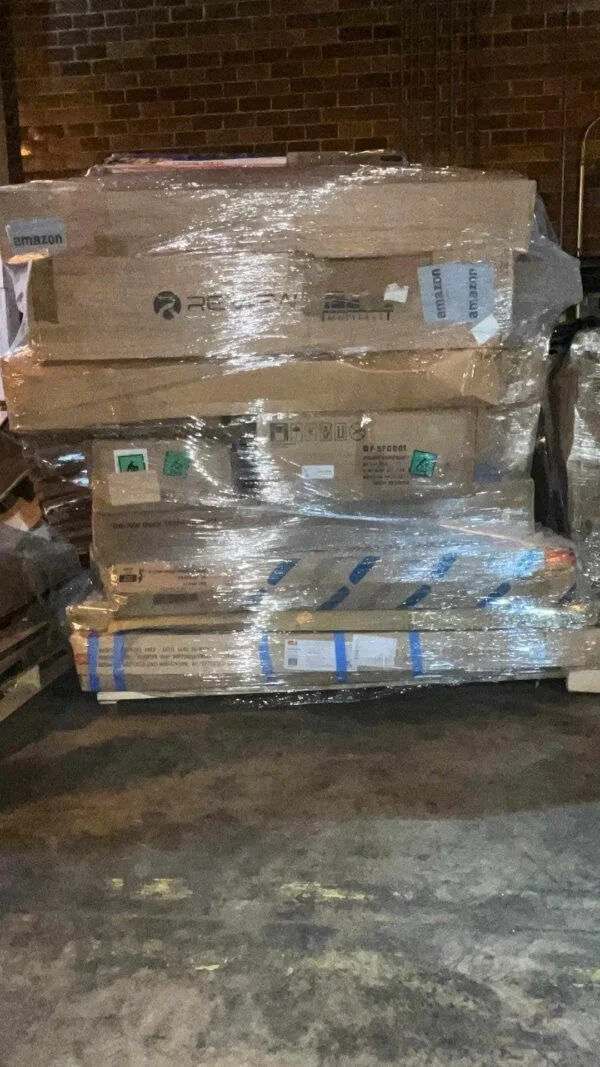
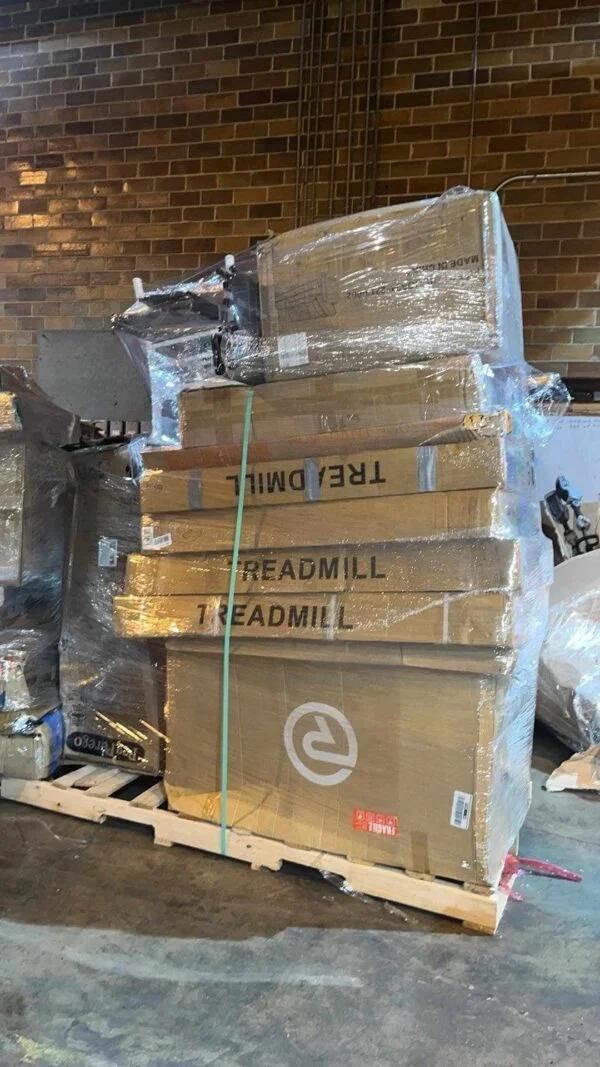
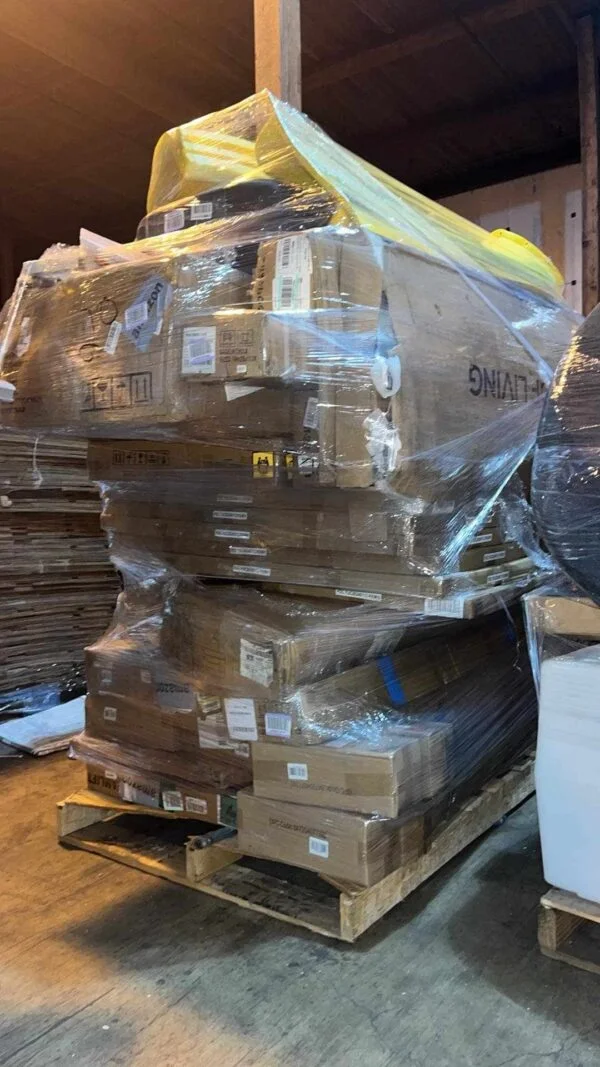
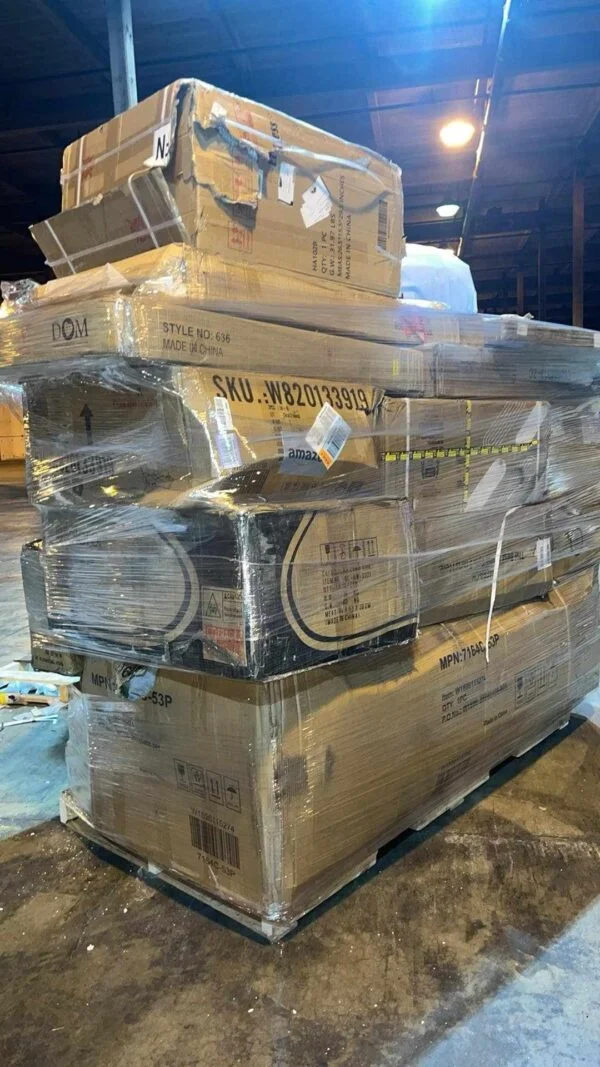
Amazon return pallets are bulk shipments containing merchandise that has entered the liquidation channel. Products may originate from customer returns, excess inventory, overstock, shelf pulls, or other inventory-clearing programs.
The condition of the merchandise can vary significantly. A pallet may contain brand-new products alongside open-box or customer-return items.
Common condition categories include:
- New and sealed
- Overstock
- Shelf pulls
- Open box
- Customer returns
- Tested merchandise
- Untested merchandise
- Damaged or incomplete items
For this reason, buyers should never assume that every product on a returns pallet will be ready for immediate resale.
Amazon Overstock vs. Customer Returns
Understanding the difference between Amazon overstock and customer returns is important when evaluating a pallet.
Overstock generally refers to products that remain unused but are no longer needed in the retailer’s normal inventory cycle. These products may have never been purchased by a customer.
Customer returns are different. A returned product may be completely unused, opened but functional, missing packaging, or potentially defective.
This distinction affects both your risk and your expected resale price.
If you’re specifically looking for new merchandise, ask the supplier whether the pallet consists primarily of overstock or customer returns.
Why Buy Amazon Returns Pallets?
The primary attraction of liquidation inventory is the potential to purchase merchandise below traditional wholesale or retail acquisition prices.
A reseller can purchase a pallet, inspect and sort the products, then sell individual items through several channels.
Potential sales channels include:
- Online marketplaces
- Social media shops
- Independent ecommerce websites
- Flea markets
- Discount stores
- Pop-up shops
- Local marketplaces
- Consignment businesses
Buying in bulk can also provide a wider product selection. Instead of purchasing one item at a time, a reseller can acquire dozens of products in a single transaction.
However, profitability depends on the landed cost and realistic resale value rather than the original retail value.
Calculating the True Cost of a Pallet
Suppose you purchase an Amazon pallet for $500.
Your additional expenses might include:
- Freight: $175
- Handling: $25
- Packaging: $30
Your total investment would be:
$500 + $175 + $25 + $30 = $730
If 50 items are ultimately sellable, your average cost per sellable item is:
$730 ÷ 50 = $14.60
This calculation provides a much clearer picture of your potential profit than simply looking at the pallet’s purchase price.
Finding Amazon Pallets for Sale
When searching for Amazon pallets for sale, compare multiple suppliers instead of immediately purchasing the cheapest listing.
A reputable seller should provide useful information about:
- Product condition
- Approximate quantity
- Product categories
- Manifest availability
- Shipping arrangements
- Purchase terms
- Business contact information
A detailed manifest can be particularly valuable because it gives you an idea of the expected inventory.
However, a manifest should be treated as an inventory guide rather than a guarantee of your final profit.
What to Check Before Buying
Before purchasing an Amazon pallet, ask several questions.
What is the condition? Determine whether the inventory is new, overstock, shelf pull, open box, or customer return.
Is there a manifest? A manifest can help you research individual products before purchasing.
Are products tested? This is especially important for electronics, appliances, power tools, and other mechanical products.
What does shipping cost? Freight can significantly change your final investment.
Is the purchase final? Many liquidation transactions have limited or no return options.
Who is the seller? Research the company’s reputation and business information before sending payment.
Liquidation Pallets and Larger Purchases
Liquidation pallets are available across numerous categories, making them suitable for businesses with different specialties.
A reseller specializing in electronics might seek electronics pallets, while a clothing retailer may prefer apparel inventory. General merchandise pallets can be useful for businesses that sell a broad range of products.
Once a reseller develops consistent sales, larger purchases may become attractive.
Truckloads and Liquidation Truckloads
Truckloads represent a much larger investment than individual pallets.
A truckload may contain multiple pallets and can significantly increase your inventory volume. Liquidation truckloads are generally more appropriate for established businesses with sufficient capital, warehouse space, labor, and reliable sales channels.
Before moving from pallets to truckloads, consider:
- Available storage
- Cash flow
- Average monthly sales
- Product turnover
- Freight capacity
- Labor requirements
- Processing time
Buying more inventory doesn’t automatically create more profit. Inventory must move efficiently through your sales channels.
The Bin Store Liquidation Pallets & Truckloads
The bin store liquidation pallets & truckloads business model demonstrates another way to use liquidation inventory.
Bin stores typically purchase large quantities of surplus and returned merchandise, then sell products at predetermined price points. Customers often enjoy the treasure-hunt experience because inventory changes frequently.
This model can work particularly well with mixed merchandise.
A bin-store operator can purchase pallets or truckloads, sort the inventory, and introduce new products regularly.
For entrepreneurs considering this business model, inventory consistency, store traffic, pricing strategy, and operating costs are all important considerations.
Pallets of Merchandise for Sale
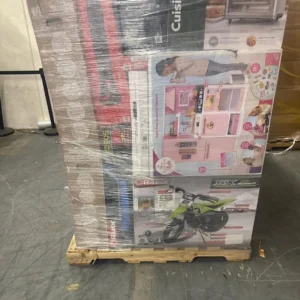
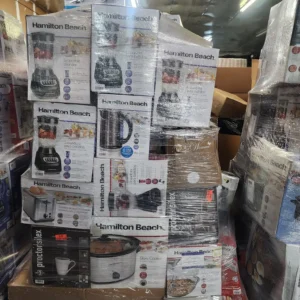
Pallets of merchandise for sale can contain a wide variety of products.
Common categories include:
- Electronics
- Home improvement
- Tools
- Toys
- Clothing
- Shoes
- Kitchen products
- Beauty products
- Home décor
- Small appliances
Specialized pallets may be easier to manage because you can focus your marketing on a specific customer group.
Mixed pallets, however, can provide more variety and may work well for general merchandise stores.
Local Pallet Liquidation Opportunities
Many buyers search for pallet liquidation near me because purchasing locally can reduce freight expenses and provide opportunities to inspect inventory before buying.
Local liquidation businesses may offer pickup options, warehouse sales, and scheduled inventory releases.
Searching for pallets for sale near me can also uncover local suppliers selling mixed merchandise, customer returns, overstock, and shelf pulls.
Amazon Pallet Sale Near Me
An Amazon pallet sale near me can be particularly attractive if the supplier allows local pickup.
Before making a purchase, ask whether you can:
- Inspect the pallet
- Review a manifest
- Verify the product condition
- Confirm the number of units
- Check packaging
- Arrange pickup
Local pickup can eliminate or reduce freight charges, but the pallet’s actual inventory quality should still be your primary consideration.
Warehouse Liquidation
A warehouse liquidation can involve large quantities of inventory being cleared because of business closures, excess stock, relocation, inventory restructuring, or other reasons.
Searching for a liquidation warehouse near me can help local buyers discover bulk inventory without relying exclusively on long-distance freight.
Warehouse purchases can be especially useful for experienced resellers because they may have the opportunity to inspect merchandise in person.
However, don’t assume every warehouse liquidation is automatically a bargain. Compare the asking price with current resale values and account for transportation and processing costs.
Other Retail Liquidation Sources
Amazon isn’t the only retailer whose inventory can enter the liquidation market.
Businesses may also encounter inventory associated with retailers such as Dollar General and other major chains.
Each source can have different product categories and inventory conditions.
For example, one source may be strong for household products while another may offer more seasonal merchandise. The best source depends on your target market.
How to Inspect an Amazon Return Pallet
Once the pallet arrives, don’t immediately start listing products. First, create an organized inspection process.
Separate products into categories such as:
Category 1: New and sealed
Products that appear unused and remain in original packaging.
Category 2: Open box
Products that appear functional but have opened packaging.
Category 3: Tested and working
Returned products that have been inspected and confirmed functional.
Category 4: Incomplete
Products missing accessories, components, manuals, or packaging.
Category 5: Damaged or repairable
Items requiring additional work before resale.
Category 6: Unsellable
Products that are damaged beyond economical repair or otherwise unsuitable for resale.
This process makes it easier to determine the actual value of the pallet.
Pricing Liquidation Merchandise
Don’t price returned products according to the original retail price alone.
Research:
- Current new prices
- Current used prices
- Open-box prices
- Competitor listings
- Completed sales
- Product condition
- Included accessories
If a product originally sold for $100 but currently sells for $50 used, your resale expectations should reflect the current market.
Accurate pricing helps inventory move faster and prevents storage space from being filled with products that are unlikely to sell.
Choosing the Right Amazon Return Pallets for Sale
If you’re comparing Amazon return pallets for sale, focus on the inventory that matches your experience.
A reseller who understands electronics may be comfortable purchasing pallets containing returned devices. Someone who specializes in clothing may prefer apparel.
Consider your:
- Product knowledge
- Storage capacity
- Customer base
- Selling platforms
- Available capital
- Testing equipment
- Shipping capabilities
A pallet with a lower advertised price isn’t necessarily better if you don’t understand how to sell its contents.
When to Scale Your Business
Start small and measure your results.
Track:
- Total acquisition cost
- Number of sellable items
- Average selling price
- Platform fees
- Shipping expenses
- Return rates
- Time required to process inventory
- Net profit
After several purchases, you’ll have enough information to identify your strongest categories.
If your sales remain consistent, you can gradually increase your purchasing volume and consider truckloads.
Common Mistakes to Avoid
New liquidation buyers often make the same mistakes.
One of the biggest is assuming that advertised retail value equals profit. Retail value is not the same as resale value.
Another common mistake is ignoring freight. A cheap pallet can become expensive after shipping.
Buyers also sometimes fail to inspect products properly. Returned merchandise may contain missing parts, damaged packaging, or defects.
Other mistakes include:
- Purchasing without researching the seller
- Buying more inventory than you can store
- Ignoring current market prices
- Failing to test electronics
- Forgetting marketplace fees
- Assuming every item will sell quickly
A careful buying process can eliminate many of these problems.
Final Thoughts
If you’re planning to buy Amazon returns pallet inventory, the opportunity can be attractive when approached with realistic expectations and disciplined purchasing.
Amazon return pallets can provide access to overstock, customer returns, shelf pulls, and general merchandise at potentially competitive acquisition prices. Buyers can then sort, test, price, and resell the products through online and local sales channels.
For beginners, purchasing one or two pallets is often a sensible way to learn the process before moving into truckloads or liquidation truckloads.
Local searches for pallet liquidation near me, pallets for sale near me, Amazon pallet sale near me, and liquidation warehouse near me can also help buyers locate opportunities closer to home and potentially reduce freight costs.
The key to successful liquidation buying is simple: know what you’re buying, calculate your true cost, research realistic resale prices, and purchase inventory that matches your market.
With careful sourcing and effective inventory management, Amazon return pallets can become a valuable part of a broader resale or wholesale business strategy.